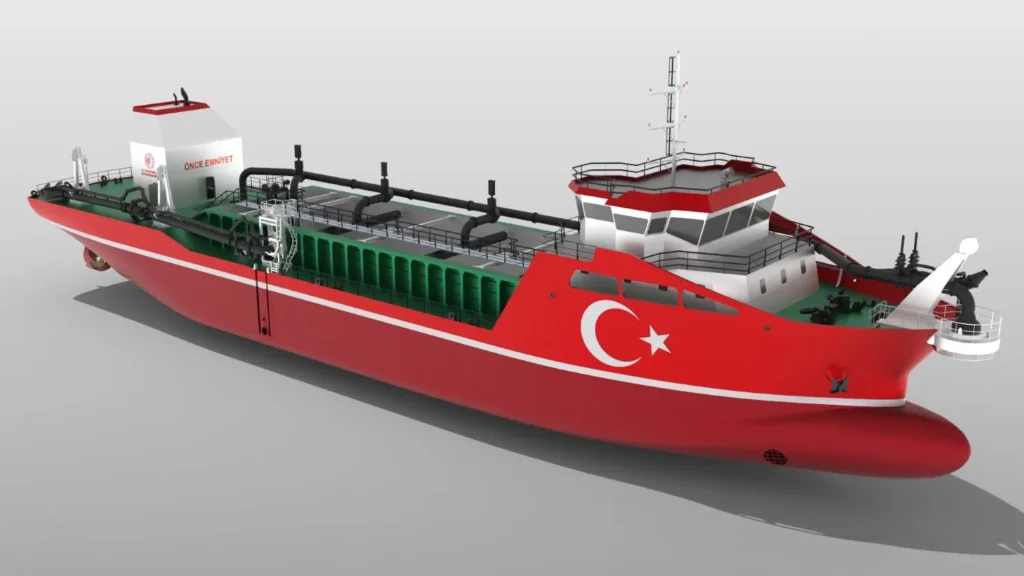
Before you invest in a new dredger, a conversion or a new dredging method, you want to know whether it will work and what it will cost. A Motas feasibility study answers those questions with facts. We assess the soil and site conditions, calculate production and pipeline performance, compare equipment options and estimate the investment. The result is a clear report for your investment decision, tender or financing application, prepared by engineers who build dredging equipment every day.
Typical questions we answer
Which dredger type and size fits this project or this market?
Can an existing vessel be converted or upgraded, and at what cost?
What production can we expect in this soil, at this depth and discharge distance?
How many booster stations does this pipeline need, and where?
Is water injection dredging possible at this site?
What the study includes
Review of design basis, soil data and site conditions
Production, pump and pipeline calculations
Comparison of equipment options and configurations, to find the vessel set-up with the lowest cost per m³ of dredged material
Budget estimate of the investment, with CAPEX and OPEX analysis
Conclusions, recommendations and next steps
Why Motas
Our studies are based on equipment that we design, build and commission ourselves. That keeps the figures realistic: what we calculate, we can deliver.